Mobile auto detailing sits at the intersection of craftsmanship and logistics. The products matter, the technique matters more, and the plan for your specific vehicle matters most of all. A well-run mobile team shows up prepared for your paint type, your parking situation, your schedule, and even your local water restrictions. When it comes together, you get a deeper clean than any quick wash, plus a strategy to keep your finish and interior holding strong month after month.
What “professional” really means in the mobile setting
A true professional does three things before the first drop of soap hits the paint. They inspect, they explain, and they set expectations for both results and time. The inspection is not a glance. It is a slow walk around the vehicle with the sun at different angles or a dedicated inspection light, noting water spots, tar, rail dust, swirls, scratches, etching from bird droppings, and clearcoat failure if present. Inside, they look for salt crust in winter mats, embedded sand, pet hair trapped in seat bases, dye transfer on leather, and sticky residues in high-touch areas.
Expect a conversation that connects those findings to a plan. A daily driver with light marring can often be revived with decontamination and a single-stage car polishing step. A black SUV with years of tunnel wash swirls might need multi-stage paint correction. rv detailing A coastal RV with chalky fiberglass demands a different approach, usually a heavy cut to remove oxidation followed by a durable sealant or ceramic coating compatible with gelcoat. Professionals will outline the work, the likely finish improvement in simple terms, and any limitations, like deep scratches that breach the clear and will not fully disappear.
The flow of a quality mobile appointment
A typical session follows a rhythm refined by experience. The technician places a mat under the pressure washer, sets up deionized water if available, and runs a power reel to your outlet or a quiet generator if off-grid. They choose shade where possible and often build shade with a canopy when needed. Wind direction matters, because it determines how quickly soap and water dry on the surface.
The right mobile team works clean. Bottles are labeled. Two buckets for the contact wash are fitted with grit guards. Towels are sorted by task to avoid cross-contamination, which is how interiors end up hazy or paint ends up streaked. You will see them stage a process that looks simple only because it is second nature.
The exterior sequence, step by step
Good exterior detailing starts with removal of bonded and loose contaminants before any polishing happens. The pre-rinse and foam work together to float off grit that would otherwise mar the clear when touched. A contact wash uses the two-bucket method and a plush mitt, panel by panel, with frequent rinsing. Wheels and tires get their own tools because brake dust is the enemy of clean paint.
Decontamination is where you feel the surface transform. A chemical iron remover bleeds purple as it dissolves ferrous particles. Tar spots from highway miles melt with a safe solvent. A clay bar or synthetic clay media then glides, not drags, over the paint. That glide tells you the surface is ready for correction or protection. Skipping these steps and jumping to car polishing grinds contaminants into the finish, creating new defects while trying to remove old ones.
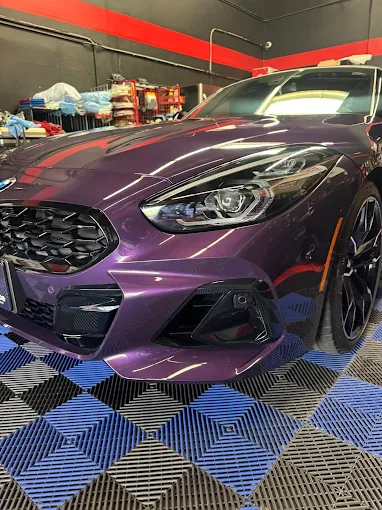
Car polishing and paint correction are cousins, not twins. Polishing is a lighter pass that improves gloss and knocks back shallow swirls. Correction is a targeted, often multi-stage process that levels the clearcoat to remove deeper defects, followed by refining to a haze-free finish. It is not unusual for a black hood to need a microfiber cutting pad with a diminishing abrasive, then a foam finishing pad to restore clarity. This takes time and a keen eye. Under-correcting leaves swirls. Over-correcting can thin the clearcoat more than necessary. The right call depends on paint hardness, defect depth, and how you use the vehicle.
Protection secures the work. A polymer sealant can give 3 to 6 months of real-world durability. Ceramic coating, when properly applied and maintained, can last years while providing strong chemical resistance and a crisp, easy-to-clean surface. That does not make your car invincible, but it buys you more margin against bugs, bird droppings, and harsh wash conditions. For those who want physical impact resistance against rock chips, paint protection film is the benchmark, particularly on high-strike zones like the front bumper, hood edges, and mirror caps. Many owners choose a hybrid strategy, using PPF on the nose and ceramic coating everywhere else.
Inside the cabin: where time can disappear
Interior detailing is part cleaning, part detective work. The vacuuming looks straightforward until you realize how much debris hides beneath sliding rails, inside seat cracks, and around the anchor points for child seats. Sand and salt require repeated passes at different angles. Pet hair demands specialized brushes, rubber tools, and patience. An extractor or steam tool tackles spills and lingering odors, but these are not magic wands. Protein-based stains from milk or coffee can wick back up after drying if not fully treated.
Leather care is often misunderstood. Most modern “leather” in vehicles is coated, so heavy oils are not appropriate. A pH-balanced cleaner and a water-based protectant preserve the factory look without leaving the surface shiny or slick. Alcantara and suede need minimal moisture and very gentle agitation to avoid matting. Interiors also benefit from attention to the little things, like cleaning the felt inside cupholders, the dirt ridge at the base of door rubbers, and the smudges at the top of the windshield where outgassing collects.
A realistic time frame, by vehicle and condition
Time is elastic because condition rules all. A well-kept compact sedan often takes 3 to 4 hours for a thorough exterior and interior detailing package. A three-row SUV with car seats and weekly soccer runs can stretch to 5 to 7 hours. Heavy pet hair alone can add an hour. Multi-stage paint correction on a large truck can turn into a full day or be split across two shorter visits to work around weather or your schedule.
RV detailing is its own category. The height, surface type, and oxidation level make a small Class C feel like three SUVs stacked on end. Expect a day or two for full exterior correction and protection on a mid-size RV, especially if the roof needs attention. Water access and safe ladder placement become planning items, not afterthoughts. Professionals who do RVs regularly will show up with the right scaffolding, long-throw machines for large panels, and compounds that cut through oxidation without burning the gelcoat.
What you can do before the truck pulls up
A little preparation helps the team move straight into the high-payoff work. You do not need to deep clean. Just make space and clarity.
- Park with room on both sides if possible, and avoid fresh asphalt or soft ground. Remove valuables and fragile items from the cabin and trunk. Mention known issues like a sticky window switch or a loose trim clip. Share past product use, such as silicone tire shine or old ceramic coatings. Clarify access to water and power, or let the team plan to be self-contained.
Xtreme Xcellence Detailing and the anatomy of a thorough wash
Teams that do this every day develop small habits that compound into better results. At Xtreme Xcellence Detailing, a typical wash starts with a flooded rinse to knock loose grit, then a high-lubricity foam with a dwell time tuned to the day’s temperature. They swap mitts mid-wash if the vehicle is heavily soiled instead of pushing a dirty mitt across clean paint. Wheel brushes never touch body panels. After the contact wash, they use deionized or filtered water for the final rinse when available, which reduces spotting on hot days.
Drying is not rushed. They use large, edgeless microfiber towels in a drag-and-lift pattern, not rubbing, assisted by a dedicated drying aid that adds short-term protection. Touching paint as little as possible is the goal. On high gloss black, they often bring out a blower to chase water from mirrors, emblems, and panel seams, preventing drips that would later streak the finish. These are small refinements that separate a clean car from a detailed one.
Paint correction, explained with a real-world example
Consider a black half-ton pickup that lives in automatic tunnel washes. Under shop lighting, you notice uniform, circular marring and a few straight-line scratches from brushes catching grit. The clearcoat is medium-hard, like many domestic trucks. A test spot with a microfiber cutting pad and a diminishing abrasive compound removes roughly 70 to 80 percent of the defects at speed 4.5 on a long-throw polisher. The finish looks clear but slightly hazy. A follow-up with a soft foam finishing pad and a fine polish restores full gloss and sharp reflections.
This two-step is typical when the goal is a clear, presentable finish without chasing every last scratch. If the owner plans to install paint protection film on the front end, the correction approach changes. There is no reason to chase 100 percent correction on a panel that will be covered. Instead, the detailer focuses the heaviest correction on exposed areas and refines PPF zones just enough for a smooth base, saving clearcoat thickness where it matters.
Ceramic coating and paint protection film: when each earns its keep
Ceramic coating is a chemistry play. It cross-links with the clearcoat to build a dense, hydrophobic layer. What you notice is not bulletproof armor, it is the way water sheets and beads, how bug guts release with less effort, and how gloss seems to pop even after a dusty week. The limit is abrasion. Repeatedly dragging dirty wash mitts across ceramic will still mar it. The fix is technique, not more coating.
Paint protection film is a physics play. It absorbs the energy of small impacts that would chip paint. On a daily driver, a partial front package on the bumper and leading hood edge is often the sweet spot. On enthusiast cars or vehicles that live on the highway, full front or even full body coverage can make economic sense if you intend to keep the car long term. Pairing PPF with a ceramic topcoat on film and paint eases maintenance and keeps everything visually consistent.
Interior realities, including the stubborn stuff
Odor removal is the most misunderstood request. Smells from spilled dairy or long-term smoke do not live only in carpet. They cling to headliners, seat foam, and HVAC systems. Steam and an enzyme-based odor treatment can do wonders, but severe cases may require cabin filters, ozone treatment, or revisiting after the first drive cycles the HVAC through all modes. Manage expectations candidly. A professional would rather under-promise and invite you back for a quick follow-up than oversell a one-and-done miracle.
For interior protection, fabric and leather coatings have matured. A quality fabric guard helps liquid bead on seat cloth and carpets, buying you crucial seconds to blot a spill before it soaks. On leather, a matte protectant keeps dye transfer at bay without changing the feel of the seat. These are not required, but they extend the life of a clean interior, particularly in vehicles with kids, pets, or frequent passengers.
Xtreme Xcellence Detailing on scheduling, weather, and the curing clock
Mobile work lives under the sky. That means timing and sequencing matter. The team at Xtreme Xcellence Detailing pays attention to the curing clock on coatings and sealants. On a humid day, a ceramic coating may flash slower, which changes how they level it to avoid high spots. On a dry, windy afternoon, they may adjust the order of operations to keep panels wet and prevent soap or chemicals from drying prematurely. If rain threatens, they will steer away from long-cure services or arrange a return visit to apply a final layer when conditions are safe.
Winter work raises different challenges. Road salt needs a careful prewash to minimize scratching. Interiors arrive with frozen grime at door sills, which calls for more heat and patience. The right mobile setup includes warm water, heated extractors, and enclosed canopies when needed. You should still expect the same finish quality, but the path to get there may be slower and more methodical.
Quick owner checklist for the first 48 hours after protection services
After certain services, your actions matter. Here is a concise guide to avoid undoing the work.
- After ceramic coating, avoid washing for 5 to 7 days to let the coating cure. Keep the vehicle dry for the first 12 to 24 hours if possible, or gently blow off water. Skip automatic car washes and harsh chemicals; use pH-neutral shampoo. For paint protection film, avoid pressure washers up close on seams and edges. Do not apply waxes over fresh coatings; ask your detailer about approved toppers.
Indicators you hired the right team
Quality leaves footprints. Your paint should look better in full sun than it does in the shade, not the other way around. Trim should be dressed to a factory-matte finish, not greasy. Tires should not sling product onto fenders after the first drive. Inside, plastics feel clean to the touch without a shiny film. The engine bay, if requested, will be tidy without pooling water in electrical areas. You should receive simple guidance on maintenance, not a binder of product pitches.
Paperwork and communication matter too. A professional mobile detailer documents the condition before and after, usually with quick photos. They keep a record of what products were used, especially for ceramic coating warranties that require proof of application and periodic maintenance. When you ask a technical question, you get a grounded answer, not jargon.
A few edge cases and how pros handle them
Matte or satin paint flips much of the playbook. Polishing is off the table because it adds gloss. Protection shifts to dedicated matte-safe sealants or ceramic coatings designed for low-sheen finishes. Bird bombs on matte should be neutralized quickly with gentle soaking, not scrubbing, and may still leave an etch that cannot be corrected. Managing expectations here is as important as the cleaning itself.
Classic cars with thin or single-stage paint require extra caution. A paint thickness gauge helps, but experience matters more. Sometimes a gentle hand polish and a high-quality wax or sealant are the right calls to preserve character and paint integrity. With RV detailing, the edge case is often old, brittle decals that can tear during machine polishing. A seasoned tech will tape edges or polish around them by hand to avoid lifting.
Where service meets maintenance
Even the best detail is only as durable as the wash routine that follows. The safest workflow is simple: a thorough pre-rinse, contact wash with clean mitts, and drying with soft towels or a blower. Two mitts for upper and lower panels cut down on grit transfer. A dedicated bucket and brushes for wheels keep metal particles away from paint. Weekly or biweekly washes prevent buildup that would otherwise require harsher chemicals. This is where ceramic coating pays dividends. Dirt sticks less, so your wash requires less touching, which means fewer chances to scratch.
If you choose paint protection film, inspect edges periodically and avoid blasting seams with a pressure washer from close range. For coated cars, use a pH-neutral shampoo and skip cheap silicone tire dressings that sling. Quick detail sprays designed for ceramic coatings can add slickness, but avoid layering random products that may gum up the surface.
A pair of brief vignettes from the field
Last spring, a family brought a white crossover that lived under a sappy maple tree. The hood and roof felt like sandpaper. The technician mapped out a plan: citrus prewash to soften organic grime, iron remover to target embedded metal, then a medium-grade clay with copious lubrication. A single-stage polish restored clarity, and a mid-tier ceramic coating locked it in. The owner, who had assumed they needed a repaint, left with a car that felt slick and looked new in the sun. The lesson is that contamination often disguises itself as paint failure, and the right sequence can reverse years of neglect in an afternoon.
At Xtreme Xcellence Detailing, an older Class A RV arrived with heavy oxidation and chalking. The team staged scaffolding, ran test spots with three different compounds, and settled on a wool pad and a dedicated gelcoat compound for the first pass, followed by a foam finishing pad. They protected the restored surface with a marine-grade sealant that can handle UV exposure and heat. The job took two days with breaks to let surfaces cool. The owner’s surprise was not just the gloss, it was how their wash time later dropped by half because the surface no longer clung to dust and grime.
Pricing realism without the hard sell
While exact numbers vary by region and condition, the spread in labor time explains the spread in quotes you might receive. Two vehicles with the same badge can demand different hours based on color, owner habits, and previous care. If one provider is half the price of others for substantial paint correction or ceramic coating, dig into their process. Shortcuts exist, but they show up in the sun. Professionals are not secretive about their steps. They may protect product names to avoid internet debates, but they will explain their approach, their inspection findings, and the risks or trade-offs in plain terms.
When mobile detailing makes the most sense
Mobile detailers give back your day. You can work from home while someone else restores order to your car. If you manage a small fleet, mobile teams can rotate through vehicles on site without disrupting operations. For RVs and boats stored offsite, it is often the only practical option. The trade-off is environmental control. A shop can eliminate wind, dust, and temperature swings. A seasoned mobile team compensates with shade, smart sequencing, and tools that travel well. For the heaviest paint correction or paint protection film on full body panels, a controlled shop space still has advantages. Many mobile pros bridge both worlds, performing prep at your location and finishing delicate steps under cover.
What to expect after the detailer drives away
The best sign of a job well done is how easily your car stays clean. Water should slide off the paint when rinsing. Bugs should release with less scrubbing. Inside, you should not smell heavy perfumes, just a neutral, clean cabin. Expect a check-in within a week from a service-minded team, not to upsell you, but to make sure no high spots appeared on a new ceramic coating and no new drips emerged from mirror housings. If a small fix is needed, it is typically quick. Professionals take pride in aftercare, not just the before-and-after photos.
Finally, trust your eyes and your routine. You know how your car looked in the morning light on your driveway. You will know if the gloss is deeper, if the steering wheel feels clean without being slick, and if your floor mats shed dirt with a single shake instead of clinging to it. That is the daily dividend of proper exterior detailing, honest interior detailing, and the right balance of protection like ceramic coating or paint protection film. When a mobile team respects your time, your property, and the craft, the result is more than a clean car. It is a plan for keeping it that way.
Xtreme Xcellence Detailing
23561 Ridge Rte Dr # O, Laguna Hills, CA 92653
(714) 472-3001
FAQs About Car Detailing & Paint Protection
How often should you service your car?
Regular car servicing is typically recommended every 5,000 to 7,500 miles or every 6 months, depending on your vehicle and driving conditions. In areas like Laguna Hills, CA, frequent driving and sun exposure make routine maintenance especially important.
What is the difference between waxing and ceramic coating?
Waxing provides a temporary layer of protection that lasts a few weeks to a couple of months, while ceramic coating offers long-lasting protection for several years. Ceramic coatings bond with your vehicle’s paint, delivering superior durability, gloss, and resistance to contaminants.
Is paint protection film worth it?
Yes, paint protection film (PPF) is a great investment for preserving your vehicle’s exterior. It provides a durable, transparent layer that protects against rock chips, scratches, and road debris, helping maintain your car’s value and appearance.
How long does a full car detailing take?
A full car detailing service typically takes between 3 to 8 hours, depending on the vehicle’s size, condition, and the level of service required. More advanced services like paint correction or ceramic coating may require additional time.
How often should I get my car detailed?
For optimal results, it’s recommended to have your car detailed every 3 to 6 months. This helps protect your vehicle from environmental damage and keeps it looking its best year-round.
Does ceramic coating eliminate the need for washing?
No, ceramic coating does not eliminate the need for washing, but it makes cleaning much easier. Dirt and grime have a harder time sticking to the surface, allowing for quicker and more effective maintenance washes.